Balatro makes familiar cards behave in unfamiliar ways
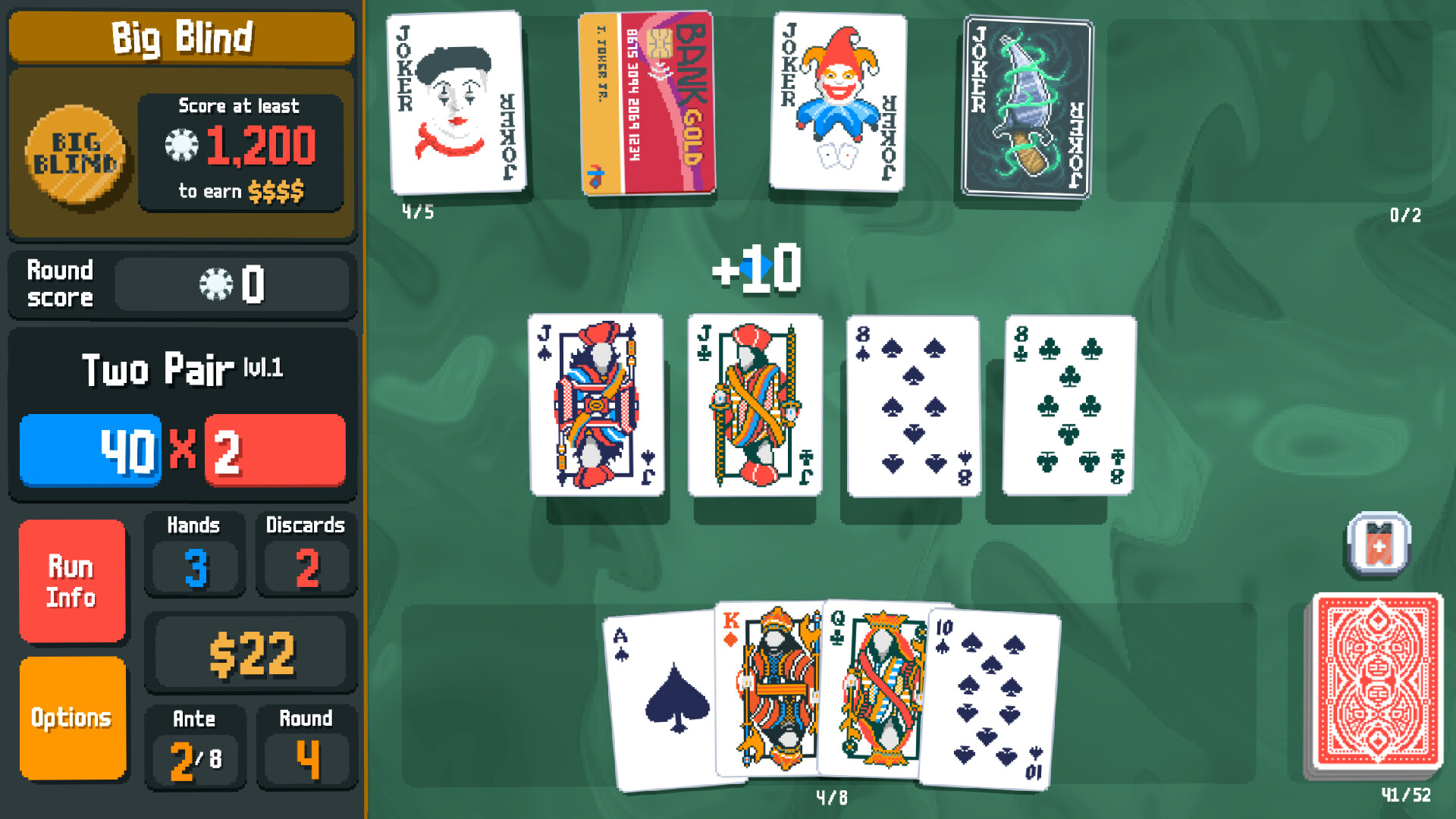
Balatro uses valid poker hands to earn chips against scoring targets. Joker cards and other changes create combinations that reshape what your deck can achieve. Familiar suits and ranks are the starting vocabulary; building an effective scoring system is the reason to keep experimenting.
Our fit advice: shortlist it if you enjoy spotting a small rule change with a large consequence. If a screen full of scores and multipliers makes you want to investigate, that is a more useful signal than whether you normally describe yourself as a card-game player.
Sources: Balatro — official Steam description of hands, Jokers and scoring
Slay the Spire gives your deck a journey
The original Slay the Spire combines deck construction with encounters, route choices and relics. You build a set of cards while moving through a changing ascent. The surrounding adventure gives your build a series of problems to solve rather than presenting the same scoring goal in every encounter.
Our fit advice: choose it if you like asking what a build is missing and adjusting as you go. If the fantasy of carrying an imperfect toolkit through danger sounds more attractive than improving a scoring engine, start here. This comparison concerns the original game linked below, not a sequel.
Sources: Slay the Spire — official Steam description of decks, paths and relics
 Slay the Spire
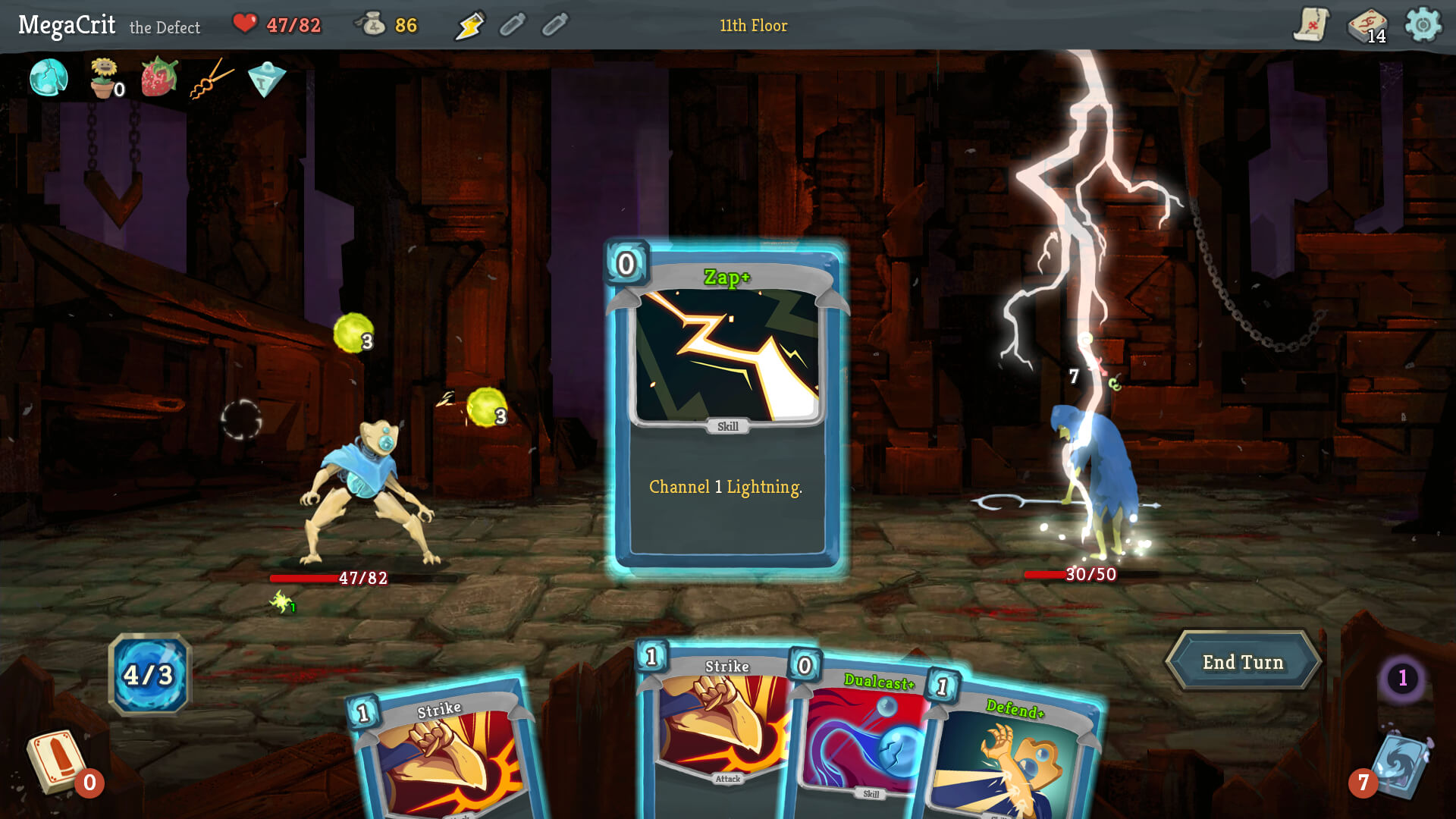
Look at an ordinary encounter, not only a spectacular late-game build. Could you picture choosing the next card?
Official screenshots: Slay the SpireA quick decision is not the same as a short run
Neither a card-game label nor a single hand tells you the time needed for a complete run. A first evening also includes learning the interface and reading unfamiliar effects. Treat a short session as time to explore the game, not a promise that you can finish a run before your next obligation.
If interruptions are likely, check the current version's save and resume behavior before relying on it. Try leaving and returning at a safe point. A game can feel comfortable to play one decision at a time while still asking for more attention than you have tonight.
Use a preview without spoiling the discovery
You do not need a late-game build showcase to make this choice. A complicated winning combination can hide the basic decisions you will actually make at the beginning. Choose a brief, ordinary section and stop when you understand what you would be deciding.
- For Balatro, look at the hand, the target and the scoring effects. Does changing one part make you curious about the result?
- For Slay the Spire, look at a hand during a fight and the options available. Do you want to explain your next move?
- After both previews, choose once. Keep the other game in favorites instead of continuing to compare all evening.
Which should you play first?
Start with the decision loop you want to think about tonight. Pick Balatro for scoring experiments with recognizable cards; pick Slay the Spire for building a toolkit across an adventure. Neither choice requires treating a loss as wasted time: noticing what you want to try differently is already a useful reason to return.
These recommendations are editorial interpretations of the games' documented formats. They are not benchmark results, a difficulty ranking or a claim of hands-on testing. The official descriptions below establish the features; your preview is the final fit check.